

Why Every Marketing Agency Needs a White-Label Solution in 2026
Intro
AI has simplified agency operations, and white-label platforms let agencies control unified systems instead of managing fragmented tool stacks.
TLDR 1
- AI adoption curve is steepening, late movers face permanent competitive disadvantage.
- White-label platforms give agencies control, not dependency.
- Unified CRM, multi-channel messaging (SMS, WhatsApp, social), Voice AI, automation and e-commerce replace 8-10 separate tools.
- Voice AI answers calls 24/7 in 26+ languages with 340+ voice options; Conversation AI handles chat across all channels.
- Native social integrations (Facebook, TikTok, Instagram) eliminate third-party delays.
- Clients prefer one system, one invoice and reliable AI-powered outcomes.
- The decision window is narrowing as early adopters lock in market position with 24/7 AI capabilities.
The agency business did not break. It simplified.
AI removed friction from execution and exposed inefficiencies in traditional service models. Clients no longer care how work gets done. They care that it runs reliably and keeps running.
In 2026, agencies that grow steadily are not assembling tool stacks. They operate a single platform they control. White-label solutions make that possible without building software from scratch.
The competitive reality: Agencies adopting unified white-label platforms now are capturing clients frustrated with fragmented service providers. Every quarter of delay widens this gap.
✅ HighLevel 30-Day Free Trial
TLDR 2: Consolidate CRM, email, SMS, social messaging, and scheduling into one platform for 40-60% margins while clients get single-login convenience and 24/7 automated follow-up across all channels.
 Zoltan Juhasz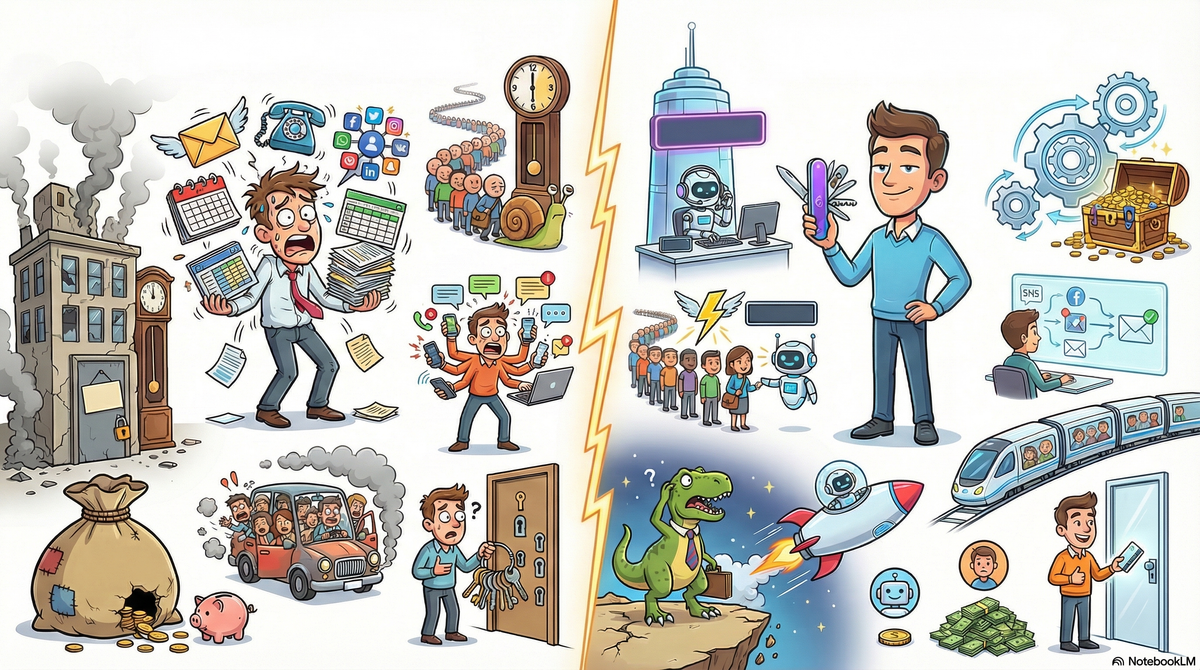
TLDR 3: Built-in funnels, native Facebook/TikTok integrations, e-commerce, and payment processing eliminate coordination delays and let agencies deploy campaigns instantly with reusable templates.
 Zoltan Juhasz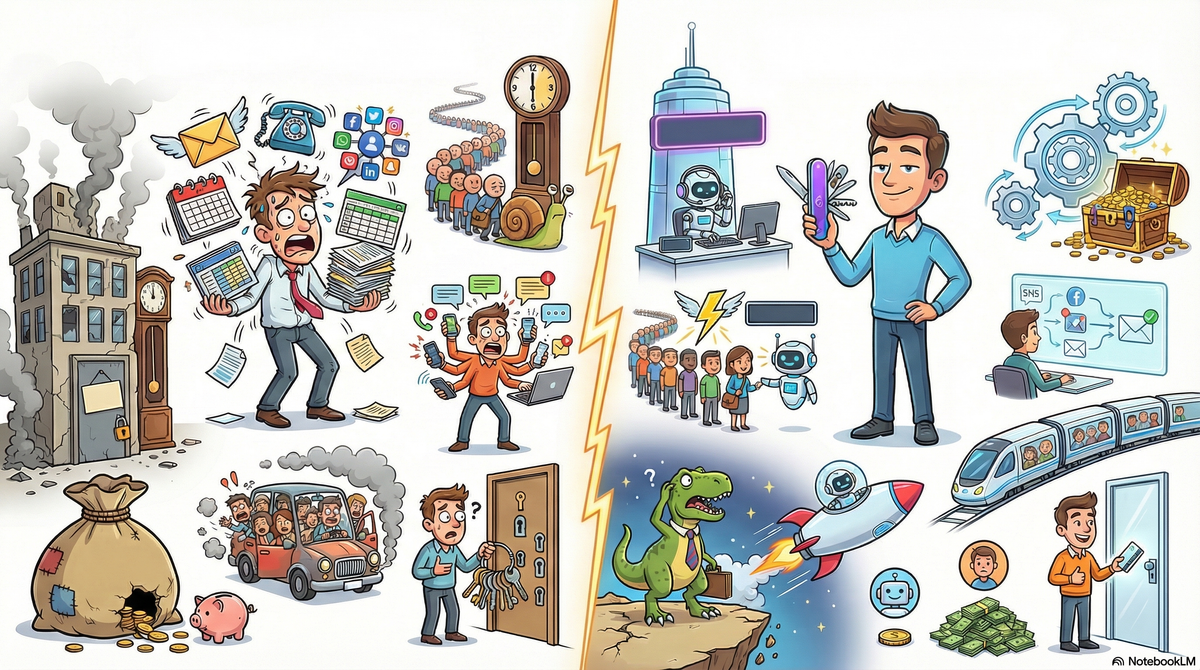
TLDR 4: Voice AI handles calls 24/7 in 340+ voices across 26+ languages, Conversation AI manages all messaging channels, and automated review systems build reputation at scale without adding staff.
 Zoltan Juhasz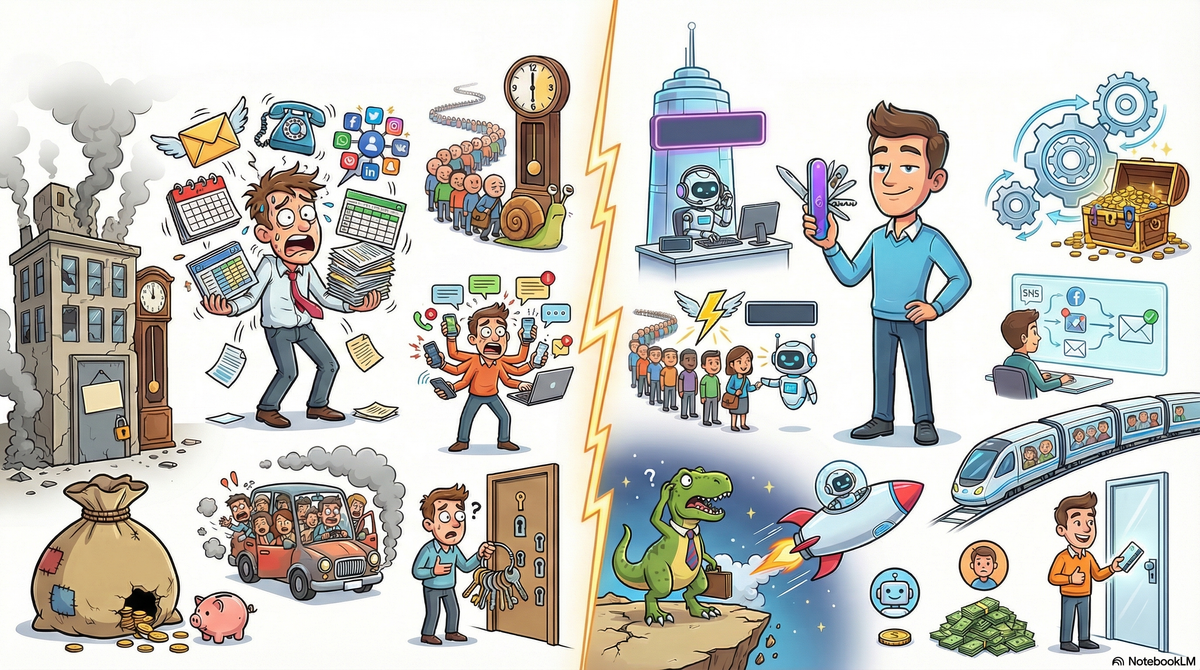
TLDR 5: Agencies relying on manual fulfillment and fragmented tools see sharply higher labor costs as volume scales, lose deals to 24/7 competitors, and enter 2026 with a two-year learning deficit against established AI-powered agencies.
 Zoltan Juhasz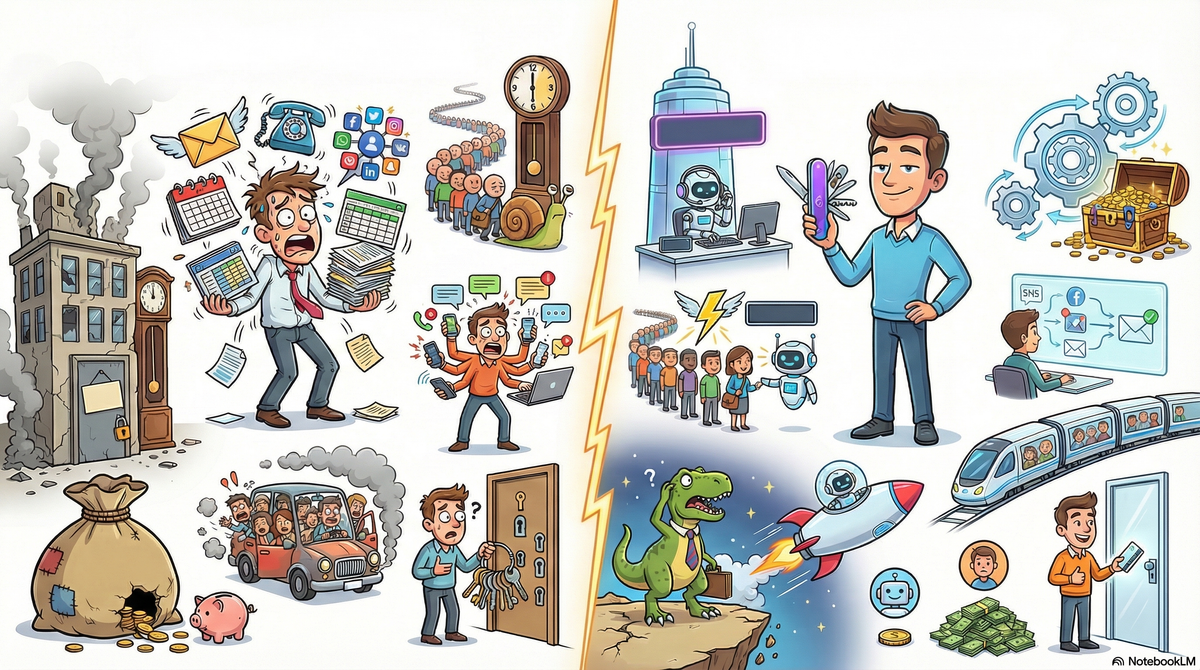
Unified platform vs fragmented tool stack
| Area | Unified white-label platform | Fragmented tool stack |
|---|---|---|
| Tool count | One system, one data layer | 6–10 disconnected tools |
| Operational risk | Centralized logic, fewer failure points | API breaks, sync delays, human workarounds |
| Margin predictability | Fixed platform cost, scalable delivery | Costs rise with volume, staff and fixes |
This is not about features. It’s about removing operational drag that compounds as client volume grows.
TLDR 6: Evaluate platforms on 40+ criteria including Voice AI capabilities, native social integrations, multi-channel inbox, white-label depth, rebilling features, and pricing that preserves 40-60% margins.
 Zoltan Juhasz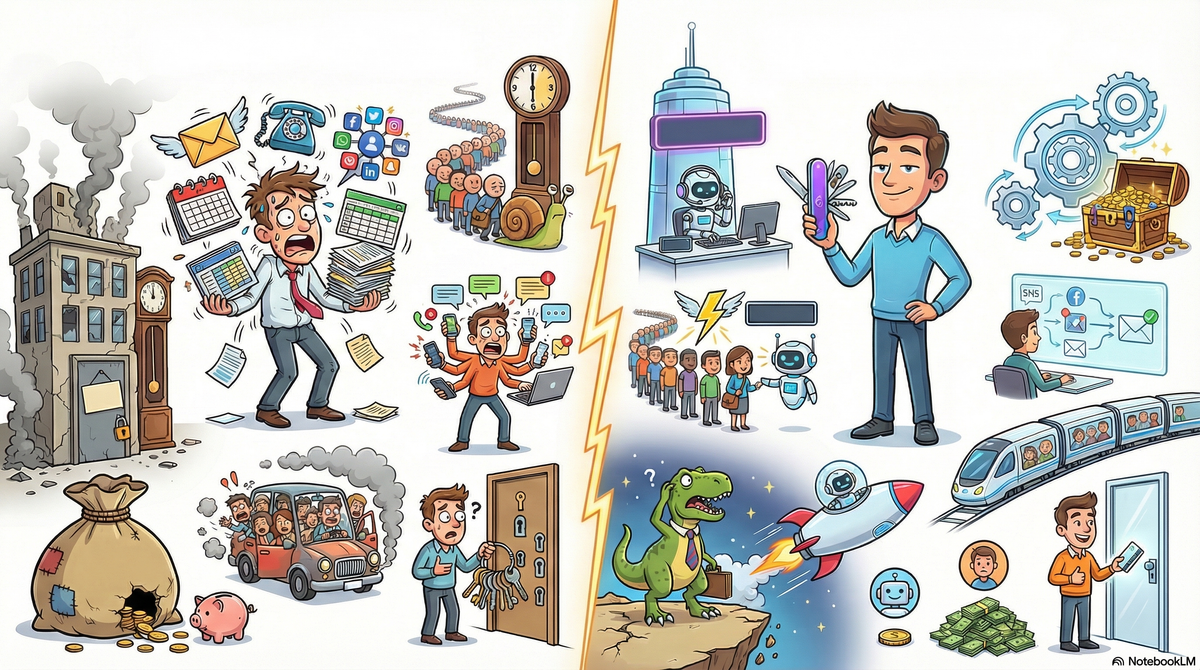
TLDR 7: White-label platforms handle pricing changes, client discovery, team learning curves, AI quality concerns, integration needs, and deliverability with proven infrastructure and gradual migration strategies.
 Zoltan Juhasz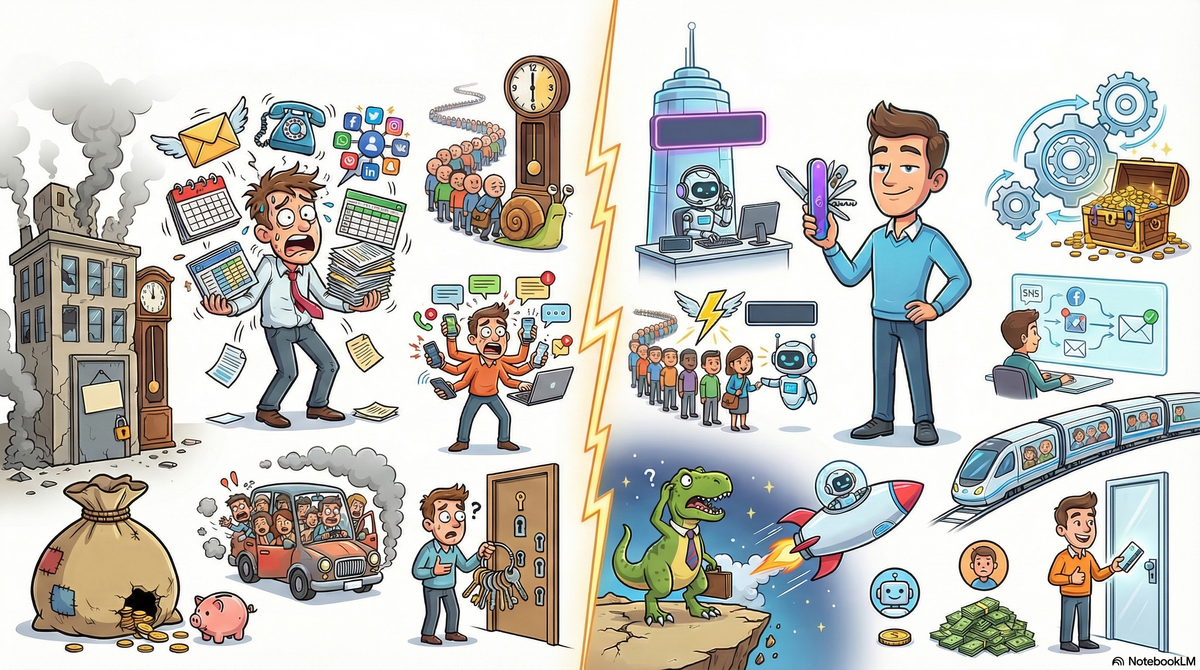
TLDR 8: Week 1 audit costs, Week 2 demo platforms and test AI, Week 3 plan pilot migration, Week 4 launch with full branding, then measure improvements at 30/90/180 days.
 Zoltan Juhasz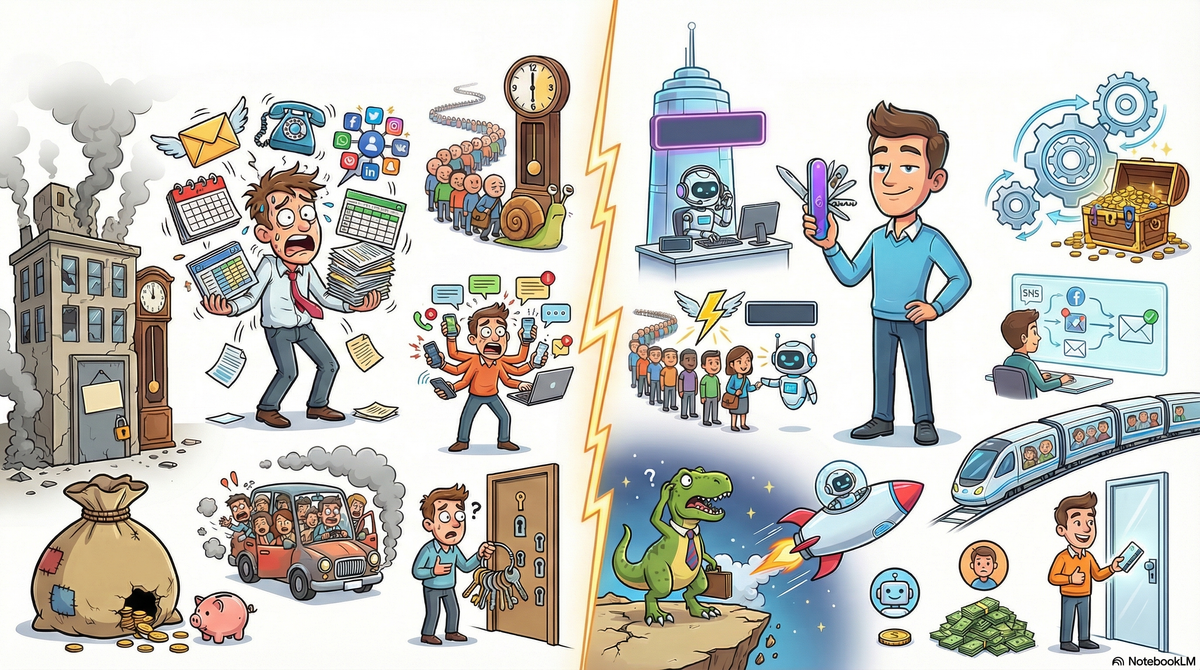
The Bottom Line
White-label AI platforms with Voice AI, multi-channel messaging, native social integrations, and automated reputation management are not optional infrastructure in 2026. They are the competitive baseline.
The feature gap is stark:
Traditional agency model: 6-10 separate tools, business-hours coverage, manual message management, delayed social lead capture, reactive reputation management, proportional hiring for growth.
AI-powered white-label model: One unified platform, 24/7 Voice AI coverage in 26+ languages, automated multi-channel inbox (SMS, WhatsApp, Facebook, Instagram, Google Chat), instant social lead capture and nurture, proactive review generation, infinite scaling without hiring.
New agencies start with AI-powered systems instead of services. Established agencies stabilize operations and improve margins by 40-60%. Both gain the ability to scale without proportional hiring.
Clients prefer this model because it reduces complexity on their end: one system, one login, one invoice, continuous AI automation they can see working (answered calls at 10 PM, instant chat responses, automated review requests, real-time multi-channel inbox).
HighLevel’s CRM and marketing platform brings together a powerful suite of AI-driven tools, automation features, and seamless integrations, all designed to help businesses solve real problems from a single, unified system.
✅ HighLevel 30-Day Free Trial
What truly sets HighLevel apart is its ability to scale effortlessly, serving both small and mid-sized businesses as well as enterprise teams. With three thoughtfully designed plans, HighLevel meets businesses exactly where they are and grows with them as their needs evolve.
The agencies performing best this year share one trait: They stopped assembling tool stacks and started operating AI-powered platforms they control.
The competitive reality is measurable:
Early adopters answer 100% of calls with Voice AI (costs $50/month in platform fees). Traditional agencies miss after-hours calls or pay $800+/month in answering service or staff costs.
Early adopters respond to Instagram DMs, WhatsApp messages, and Facebook inquiries in one unified inbox. Traditional agencies juggle 6+ apps or miss messages entirely.
Early adopters capture Facebook and TikTok leads instantly via native integration. Traditional agencies wait 15-30 minutes for Zapier delays while competitors already booked the appointment.
Early adopters deploy Conversation AI handling 80% of chat inquiries 24/7. Traditional agencies handle chat manually during business hours or not at all.
The decision window is narrowing. Early adopters have refined their operations through thousands of client interactions and established market position as AI-powered technology providers. Late movers enter a market where Voice AI coverage, instant multi-channel response, and native social integrations are the expected standard, not the competitive advantage.
TLDR 9: New agencies start with AI from day one, established agencies migrate 3-5 pilot clients, both evaluate platforms on comprehensive criteria and launch within 30 days to avoid widening competitive gaps.
 Zoltan Juhasz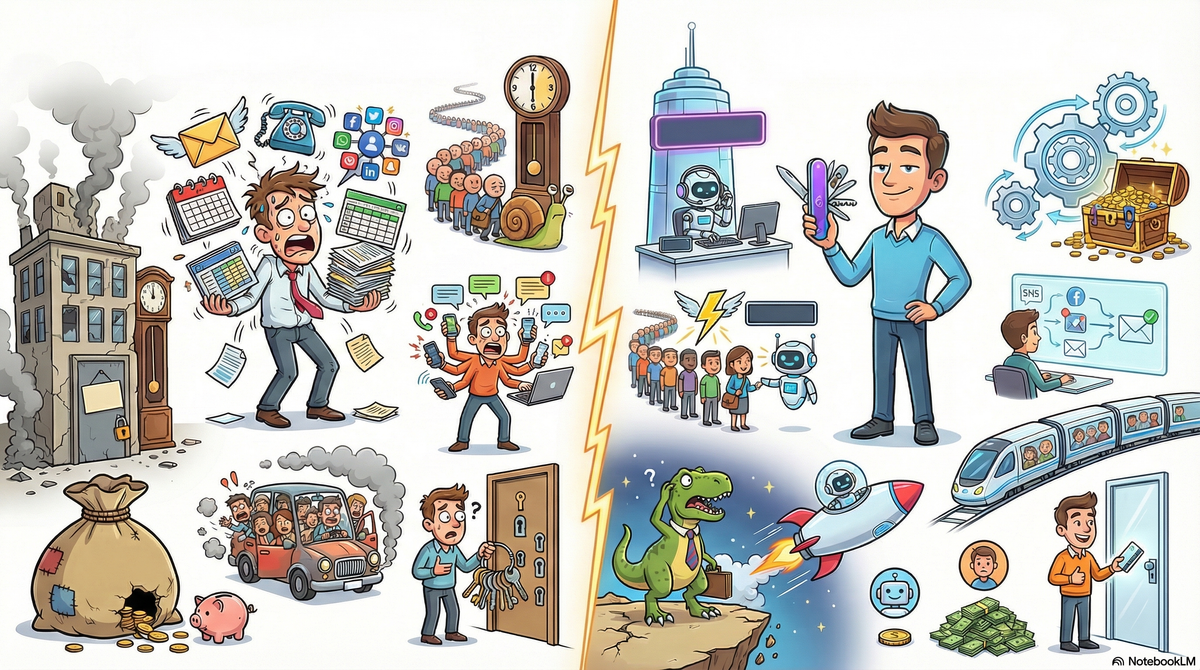
Start now. Every quarter of delay widens the gap with competitors who already answer every call, respond to every message, and capture every social lead, automatically. Whitelabel AI platforms make that approach practical.
FAQ
When a white-label platform is the wrong choice :
White-label systems are not universal solutions. They are a poor fit for:
- Solo consultants with minimal fulfillment
- Strategy-only agencies without operational delivery
- Teams dependent on heavy custom development
- Agencies locked into long-term enterprise tooling contracts
In those cases, consolidation adds friction instead of removing it.
Why does every marketing agency need a white-label solution in 2026?
Agencies need white-label solutions to scale faster, reduce fixed costs and expand services without hiring full-time specialists. White-labeling allows agencies to deliver SEO, PPC, web design, AI and automation under their own brand while keeping focus on strategy, growth and client relationships.
How does a white-label solution reduce agency costs?
White-labeling removes the need to hire, train and retain full-time specialists. Agencies avoid salaries, benefits and software overhead by paying for services only when needed, improving margins and cash flow predictability.
How does white-labeling help agencies expand services quickly?
White-label platforms let agencies add new services instantly, without building in-house teams. This makes it possible to offer a complete service stack, positioning the agency as a one-stop provider that meets all client needs under a single brand.
How does white-labeling help agencies focus on their core business?
By outsourcing operational fulfillment, agencies free their internal team to focus on strategy, client management and business development. This reduces distraction from execution tasks that do not directly drive growth.
How does a white-label platform improve scalability and agility?
White-label solutions allow agencies to scale services up or down based on demand. Agencies can onboard clients faster, respond to market changes and grow without restructuring their team or operations.
Does white-labeling affect service quality?
White-labeling improves consistency when agencies partner with experienced providers. Specialized fulfillment teams deliver professional results while the agency maintains brand standards, client communication and accountability.
How does white-labeling support revenue growth?
Agencies can increase revenue by selling additional services to existing clients and attracting new clients who want consolidated solutions. Broader offerings raise average client value without increasing internal complexity.
How much control does an agency keep with a white-label solution?
Agencies retain full control over branding, pricing, client communication and delivery experience. The end client sees a single, consistent brand, not external vendors or fragmented tools.